


Custom Robot Workstations And Laser Systems Manufacturer


News
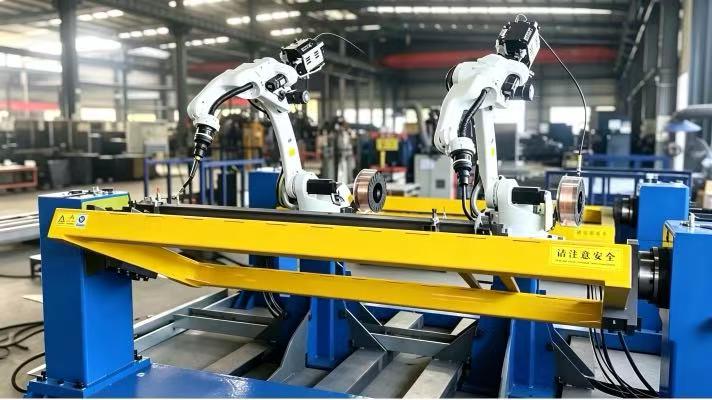
Why a 2-Ton Positioner Can’t Always Hold a 2-Ton Part: Eccentric Loading, Overturning Moment, and Inertia
A positioner rated for 2,000 kg looks, on paper, like it should hold any 2,000 kg part. In the field, it frequently cannot — and the failure is not a defect, it…
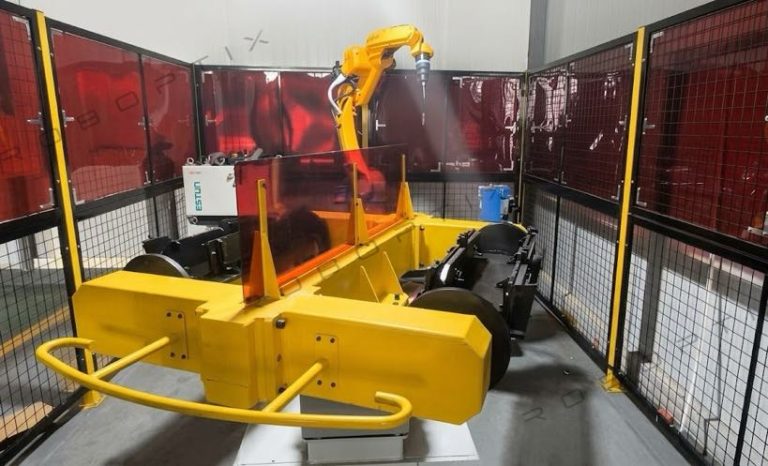
Backlash, Stiffness, and Thermal Drift: The Three Hidden Specs That Define Welding Positioner Performance
The numbers on the brochure are the easy ones. The numbers that decide your weld quality are the ones they leave out. Open any welding positioner catalog and you will find the…
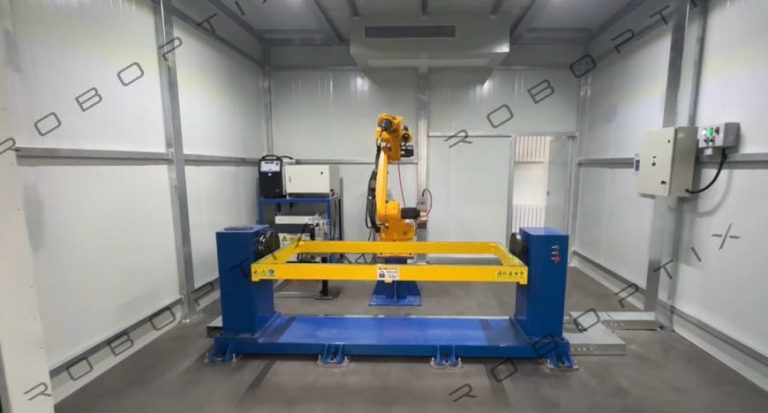
Fixture-Free Fabrication: When a Welding Positioner Replaces Complex Jigs, Tack Welds, and Crane Time
The most expensive part of many welds is the part you never weld — the fixture Walk onto almost any fabrication floor and you will find the real bottleneck is rarely the…

1G to 6G Without a Crane: How a Positioner Converts Overhead Welds into Flat-Position Welds
Welding position isn’t just a labeling convention — it dictates defect rates, deposition speed, and welder safety In over fifteen years of supporting fabrication shops moving from manual to robotic welding, one…
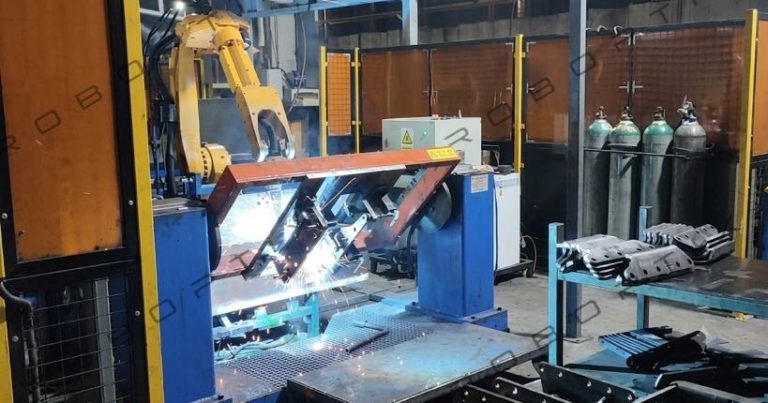
How a Welding Positioner Controls Gravity: The Physics of Puddle Stability and Weld Quality
Understanding the science behind why rotating your workpiece transforms weld outcomes Every welder knows the feeling. You strike an arc on a horizontal joint and the puddle flows like honey — smooth,…
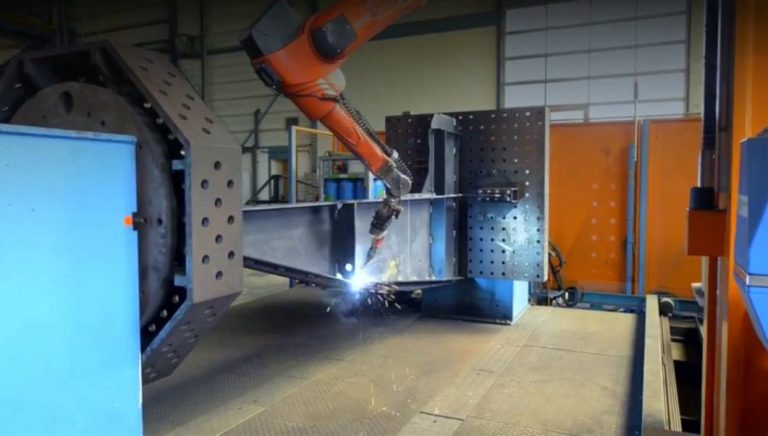
How to Integrate a Vision-Guided Robotic Welding cell into an Existing Fabrication Line
Buying a robotic welding cell is a capital decision. Integrating it into a live fabrication line without stopping production is an operational one. Most shops can justify the purchase on paper —…
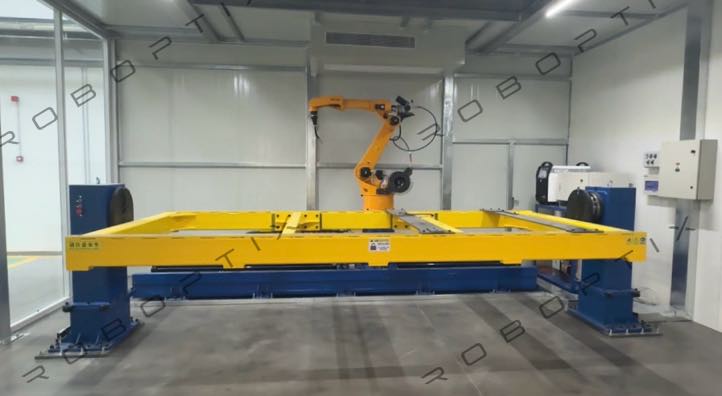
5 Questions to Ask Before Buying a Robotic Welding Cell for Structural Steel
Most shops buying their first robotic welding cell ask the wrong questions first. They ask about brand, payload, and price — then discover six months later that the cell cannot handle their…
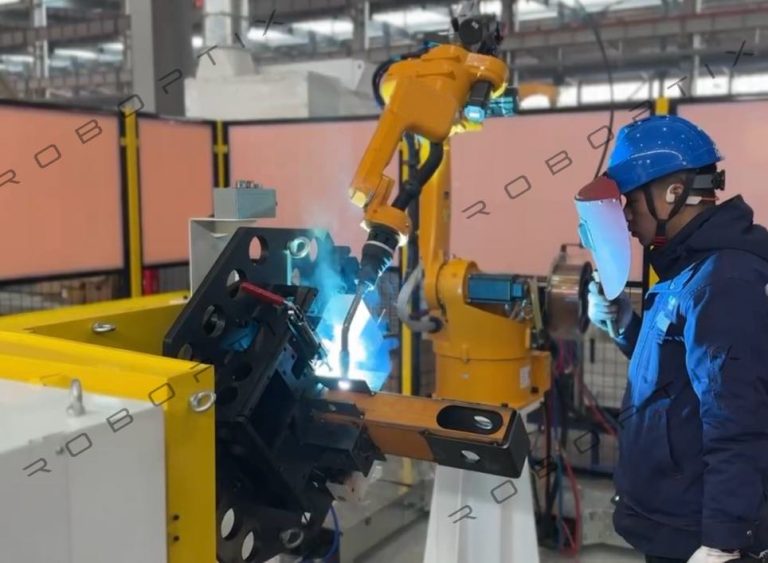
ROI of a No-Programming Robotic Welding Cell: A Practical Guide for Structural Steel Applications
Most robotic welding ROI articles give you a formula and leave you to fill in the numbers yourself. This one does not. We work through three complete structural steel scenarios — a…
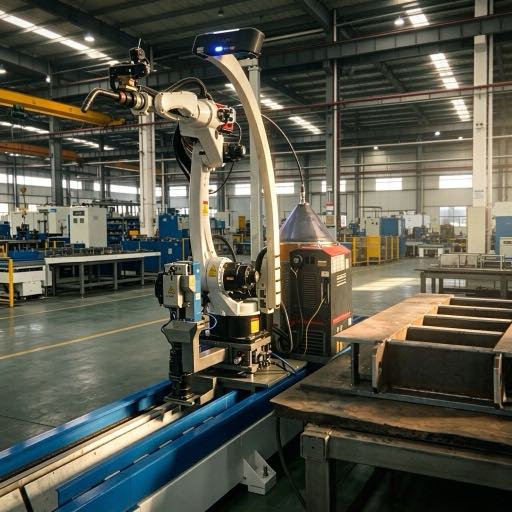
Autonomous Trajectory Planning in Robotic Welders:What It Means for Your Production Line
Every robotic welding cell has a trajectory — a sequence of positions, angles, and timings that tells the robot exactly where to move and when. In a traditional cell, a human creates…
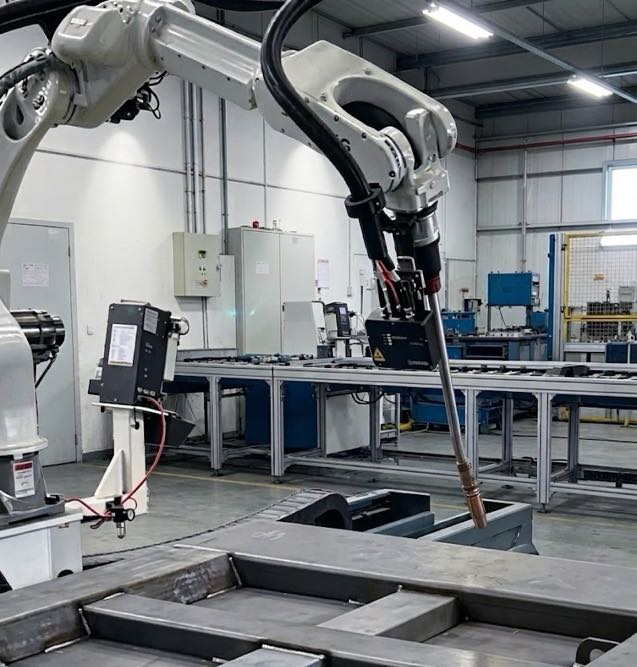
Transformer Tank Welding Automation:Solving the Challenge of Large, Non-Repetitive Parts
Transformer tank welding sits at the intersection of everything that makes welding automation difficult. The tanks are large — often 2 to 6 metres in their longest dimension. Each one is effectively…
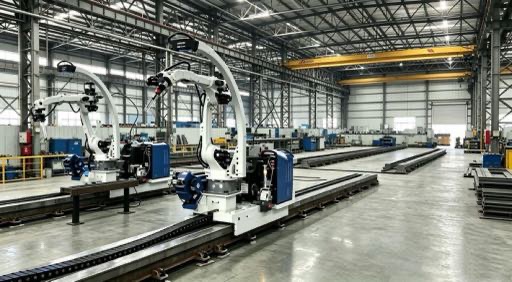
Scan-to-Weld Technology:How Reverse Modeling Replaces Robot Programming
There is a step between scanning a weld joint and the robot beginning to weld it that most articles skip over. The 3D scanner captures a point cloud. The arc opens. Something…
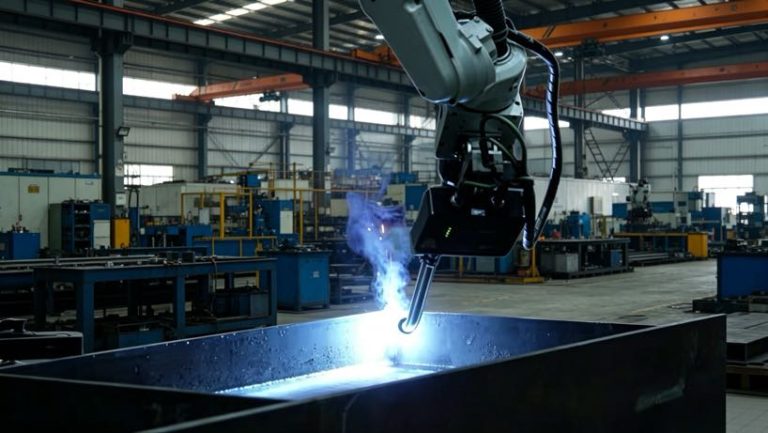
3D Vision Laser Seam Tracking Explained:From Point Cloud to Weld Path in Seconds
Ask most people how a robot knows where to weld and they describe a programmer with a teach pendant, guiding the arm point by point through a path stored in the controller.…