कस्टम रोबोट वर्कस्टेशन और लेजर सिस्टम निर्माता



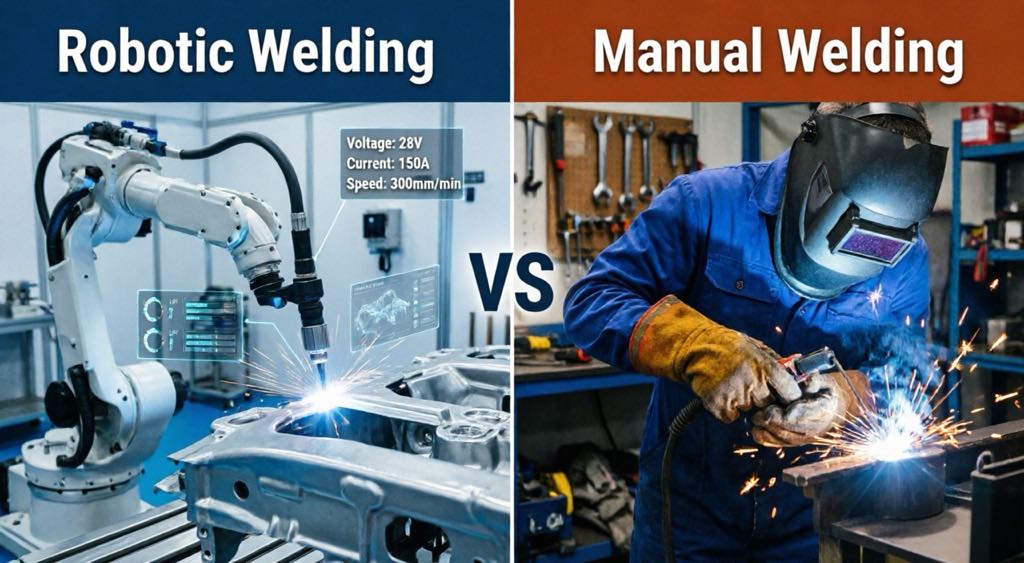
रोबोटिक वेल्डिंग सेल बनाम मैनुअल वेल्डिंग: जो आधुनिक विनिर्माण के लिए बेहतर है?
सीधा उत्तर: कौन सा बेहतर है - रोबोटिक या मैनुअल वेल्डिंग?
कोई निरपेक्ष नहीं है “बेहतर” - केवल “बेहतर अनुकूल.” दोहराव के लिए, उच्च परिमाण, गुणवत्ता-संगत वेल्डिंग कार्य, रोबोटिक वेल्डिंग सेल offer clear advantages in productivity (3-5x improvement), consistency (defect rates from 8-12% down to 2-3%), and long-term cost. For field installation, बहुत छोटे बैच आकार (अंतर्गत 50 parts per batch), अत्यंत जटिल वेल्ड पथ, or low-rigidity workpieces, manual welding remains irreplaceable. Most successful manufacturers use a human-robot collaboration model: robots handle repetitive main welds while welders manage tack welding, मरम्मत, and exception handling.
Why This Question Matters More Than Ever
के अनुसार अमेरिकन वेल्डिंग सोसाइटी (एडब्ल्यूएस) , संयुक्त राज्य अमेरिका को लगभग आवश्यकता होगी 320,500 नए वेल्डिंग पेशेवरों द्वारा 2029, लगभग वर्तमान कार्यबल के साथ 771,000, कई लोग सेवानिवृत्ति की उम्र के करीब पहुंच रहे हैं. इस दौरान, इंटरनेशनल फेडरेशन ऑफ रोबोटिक्स (आईएफआर) डेटा से पता चलता है कि वैश्विक औद्योगिक रोबोट स्थापनाएँ पहुँच गईं 541,302 इकाइयों में 2023, वेल्डिंग रोबोट सबसे महत्वपूर्ण अनुप्रयोग श्रेणियों में से एक का प्रतिनिधित्व करते हैं.
This means: welders are becoming harder to find, while robots are becoming more affordable. But can robots truly replace human welders entirely? The answer is no. This article systematically compares both welding methods across multiple dimensions to help you make the right decision for your specific situation.
तुलना आयाम 1: Weld Quality & Consistency
रोबोटिक वेल्डिंग: Executes precisely according to programmed paths and parameters, complying with आईएसओ 10218-1:2025 requirements for industrial robot repeatability. Achieves repeatability of ±0.05mm — every weld seam is nearly identical. Industry research shows robotic welding reduces defect rates from 8-12% मैनुअल वेल्डिंग के लिए 2-3% , उन्नत प्रणालियों के साथ नीचे उपलब्धि हासिल की जा रही है 1%.
मैनुअल वेल्डिंग: Quality depends heavily on the welder’s daily condition, experience, and attention. Fatigue, mood, and lighting changes all affect results. Skilled welders can handle complex joints and difficult positions, but even the best welder cannot guarantee identical results on every weld.
Verdict: Robotic welding wins decisively on consistency. For industries with strict traceability and consistency requirements like automotive parts and pressure vessels, robotic welding is nearly mandatory.
तुलना आयाम 2: उत्पादकता & प्रवाह
रोबोटिक वेल्डिंग: Operates 24/7 without fatigue. आर्क-ऑन समय आमतौर पर पहुंचता है 60-90% , केवल की तुलना में 15-30% मैनुअल वेल्डिंग के लिए. Welding speed stabilizes at 35 इंच प्रति मिनट, बनाम 18-20 inches per minute for skilled manual welders — delivering 3-5एक्स overall productivity gains.
वास्तविक दुनिया का मामला: According to Science and Technology Daily (November 20, 2025), the Qiqihar Rolling Stock Depot of China Railway Harbin Group introduced an intelligent welding system, प्रति दरवाजे वेल्डिंग का समय कम करना 15 मिनट तक 3 minutes and increasing daily output from 30 को 120 doors — a 400% efficiency increase. (स्रोत: Science and Technology Daily, Nov 20, 2025)
मैनुअल वेल्डिंग: Limited by human factors — welders need breaks, take sick leave, and go on vacation. तथापि, manual welding has an advantage in changeover: switching from one product to another takes almost no additional time for a skilled welder.
Verdict: For high-volume, long-run production, robotic welding’s productivity advantage is enormous. But for high-mix, very low-volume scenarios (अंतर्गत 50 parts per batch), manual welding’s flexibility advantage is clear.
तुलना आयाम 3: Cost Structure
रोबोटिक वेल्डिंग:
- आरंभिक निवेश: 35,000 to 110,000 USD (complete cell)
- Annual Operating Cost: लगभग 8-12% of initial investment (रखरखाव, स्पेयर पार्ट्स, electricity)
- Labor Cost: One operator can monitor 2-3 cells
- लौटाने की अवधि: 12 को 24 महीने
मैनुअल वेल्डिंग:
- आरंभिक निवेश: Welder, PPE, tooling — approximately 5,000 to 15,000 USD
- Annual Operating Cost: Welder salary (skilled welder in the U.S.: 40,000 to 70,000 per year), उपभोग्य, प्रशिक्षण
- Labor Cost: Continuously rising, with increasing recruitment difficulty
Long-Term Cost Comparison: For a shop with 2,000 annual welding hours, total 5-year cost for robotic welding (including initial investment) is approximately 250,000 to 350,000 USD, while manual welding (शामिल 3 वेल्डर’ salaries) is approximately 600,000 to 1,050,000 USD.
Verdict: Manual welding has lower short-term costs, but robotic welding’s total cost advantage becomes clear in the long term (after 2-3 साल).
तुलना आयाम 4: FLEXIBILITY & Changeover Capability
रोबोटिक वेल्डिंग: Modern robotic welding cells support ऑफ़लाइन प्रोग्रामिंग और quick-change fixturing, complying with the आईएसओ 10218-2 रोबोट सिस्टम एकीकरण के लिए तकनीकी ढांचा. Changeover time typically ranges from 15 को 45 मिनट. Advanced manufacturers have introduced smart systems that use 3D scanning and AI to automatically identify parts and plan weld paths, further reducing changeover time.
मैनुअल वेल्डिंग: A skilled welder can switch from one product to another in minutes with almost no additional cost. For production scenarios with batch sizes of only tens or even a dozen parts, manual welding’s flexibility is unmatched.
Verdict: In extremely high-mix, very low-volume environments, manual welding’s flexibility advantage is significant. तथापि, with advances in AI vision and fast-changeover technology, robotic welding is closing this gap.
तुलना आयाम 5: Skill Requirements & स्टाफ
रोबोटिक वेल्डिंग: Reduces dependence on highly skilled master welders. नियमित कर्मचारी बाद में दक्ष हो जाते हैं 1-2 प्रशिक्षण के सप्ताह for operation, loading/unloading, and basic quality checks. AWS data shows this effectively addresses the welder shortage crisis.
मैनुअल वेल्डिंग: Highly dependent on experienced master welders. AWS projects a shortage of 320,500 welding professionals in the U.S. द्वारा 2029, with recruitment difficulty and salary levels continuing to rise.
Verdict: In the context of welder shortages, robotic welding offers a strategic advantage in staffing.
तुलना आयाम 6: सुरक्षा & Occupational Health
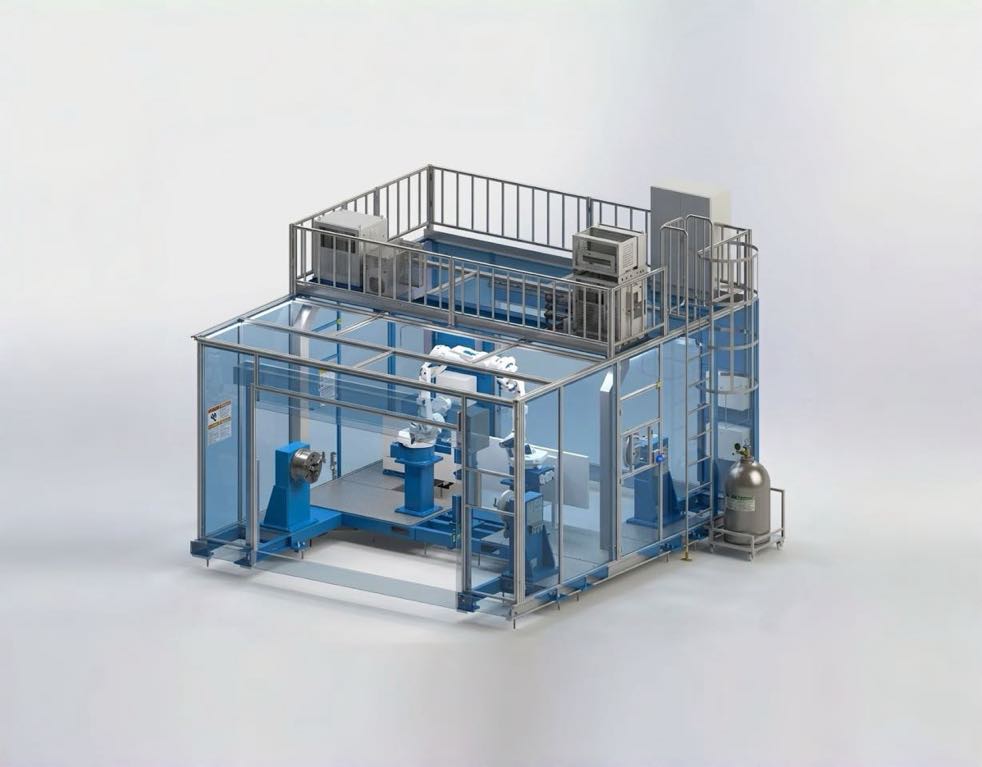
रोबोटिक वेल्डिंग: Complies with आईएसओ 10218 series safety requirements. ऑपरेटर बाहरी सुरक्षा बाड़ से निगरानी करते हैं, तीव्र चाप विकिरण के जोखिम को नाटकीय रूप से कम करना, खतरनाक वेल्डिंग धुआं, उच्च तापमान, and heavy physical labor. Enclosed welding chambers with powerful fume extraction allow workers to completely leave behind the “धुआं और भारी श्रम” environment.
मैनुअल वेल्डिंग: Welders face long-term exposure to arc radiation, welding fumes, उच्च तापमान, and spatter hazards. Despite personal protective equipment (PPE), long-term health risks remain.
Verdict: Robotic welding has clear advantages in safety and occupational health. After deploying robotic welding cells, tracked shops saw welding-related minor injury rates drop by over 70% (स्रोत: 2024-2025 tracked shop safety reports).
तुलना आयाम 7: डेटा संग्रहण & पता लगाने की क्षमता
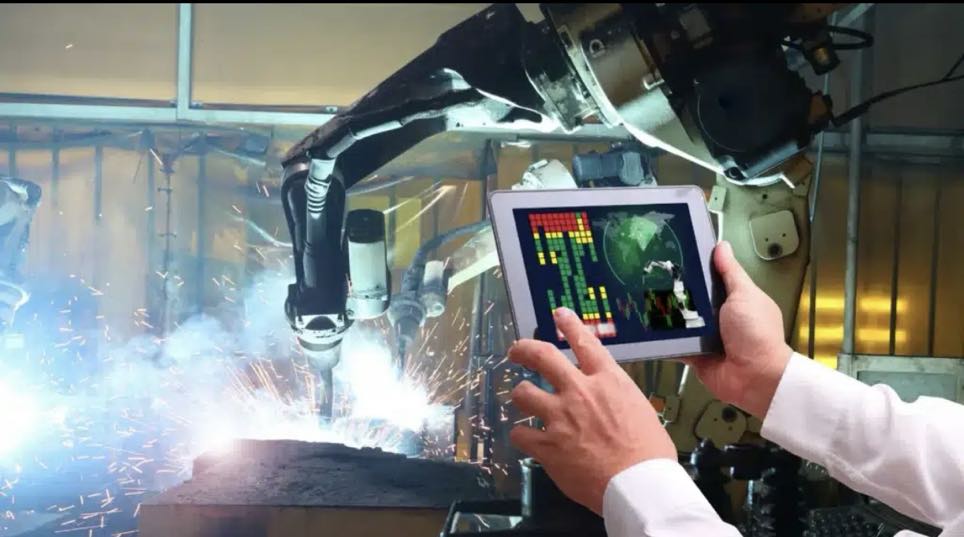
रोबोटिक वेल्डिंग: Captures real-time data on welding current, वोल्टेज, रफ़्तार, तापमान, और अन्य प्रमुख पैरामीटर, प्रत्येक वेल्ड सीम के लिए ट्रैसेबिलिटी सक्षम करना. सख्त गुणवत्ता आवश्यकताओं वाले ऑटोमोटिव उद्योगों के लिए यह महत्वपूर्ण है, दबाव वाहिकाओं, रेल परिवहन, और एयरोस्पेस - ऑडिट मांगों को आसानी से पूरा करना आईएसओ, आईएटीएफ 16949, और अन्य गुणवत्ता प्रबंधन प्रणालियाँ.
मैनुअल वेल्डिंग: Relies on welder records and quality inspector sampling. Complete traceability for every weld seam is nearly impossible to achieve. Even with process specifications, actual execution is difficult to verify 100%.
Verdict: For industries requiring full process traceability, robotic welding is an entry requirement, not an option.
तुलना आयाम 8: निवेश पर प्रतिफल
रोबोटिक वेल्डिंग: एक मानक प्रणाली का उपयोग करना (~$70,000 कुल निवेश) उदाहरण के तौर पर:
- के स्थान पर 1.5-2 वेल्डर → वार्षिक श्रम बचत: $21,000-28,000
- बढ़े हुए थ्रूपुट से उत्पादकता में वृद्धि → $14,000-21,000
- पुनः कार्य में कमी (8% → 2-3%) → $4,000-7,000
- तार & गैस की बचत (15-30%) → $3,000-4,000
- कुल वार्षिक लाभ: $42,000-60,000, payback period: 14-20 महीने
मैनुअल वेल्डिंग: Compensation expenses rise year over year. There is no “payback” concept — only ongoing costs. के लिए 3 वेल्डर, total 5-year compensation is approximately 600,000 to 1,050,000.
Verdict: Robotic welding is a one-time investment with long-term returns; manual welding is ongoing, rising expenses.
Comparison Summary Table
| आयाम | रोबोटिक वेल्डिंग सेल | मैनुअल वेल्डिंग |
| वेल्डिंग की गति | 35 इंच/मिनट | 18-20 इंच/मिनट |
| Arc-on Time | 60-90% | 15-30% |
| दोष दर | 2-3% (advanced <1%) | 8-12% |
| आरंभिक निवेश | $35k-110k | $5k-15k |
| Annual Labor Cost | 1 ऑपरेटर | 1.5-2 वेल्डर |
| 5-Year Total Cost | $250के-350k | $600k-1.05M |
| Changeover Time | 15-45 मिनट | मिनट |
| Ideal Batch Size | 50+ पार्ट्स | कोई |
| Data Traceability | Fully traceable | Record-dependent |
| सुरक्षा जोखिम | काफ़ी कम हो गया | Long-term exposure |
| लौटाने की अवधि | 12-24 महीने | एन/ए |
| Welder Shortage Impact | कम | उच्च |
Real-World Collaboration Model: Human-Robot Coexistence
It’s not either/or. In our tracked cases, 62% of companies use a “human-robot collaboration” नमूना: robotic welding cells handle repetitive main welds while welders manage tack welding, मरम्मत, complex joints, and exception handling.
मामला: Changzhou Construction Machinery Factory (2024-2025 tracked data):
- 2 रोबोटिक वेल्डिंग सेल + 3 वेल्डर
- उत्पादन क्षमता 2.4 गुना बढ़ी
- Welders transitioned from “long hours of torch-holding” को “exception handling + quality inspection”
- Welder satisfaction improved (physical labor dramatically reduced)
दो अन्य मॉडल भी मौजूद हैं:
पूरी तरह से स्वचालित सेल (22%) : Multiple cells + स्वचालित लोडिंग/अनलोडिंग + unattended night shifts — suitable for high-volume standardized products
मैनुअल-प्रथम + एकल कोशिका (16%) : Cell used only for bottleneck processes — lower risk for first-time adopters
निर्णय रूपरेखा: How to Choose for Your Shop
Prioritize Robotic Welding Cells When:
- Annual welding hours exceed 2,000 घंटे
- Batch size exceeds 100 पार्ट्स
- Strict requirements for weld quality consistency
- Difficulty hiring welders or rising labor costs
- Customer audits require weld data traceability
- Workpiece size within robot reach (typically under 1.5m)
Prioritize Manual Welding When:
- Field installation or repair welding (uncontrolled environment)
- Batch size under 50 parts with high variety
- कम कठोरता, गंभीर रूप से विकृत वर्कपीस
- बार-बार दिशा परिवर्तन के साथ अत्यधिक जटिल वेल्ड पथ
- Extremely low budget — cannot afford initial investment
Suitable for Hybrid Models (रोबोटों + humans together):
- Most situations fall into this category. Let robots handle repetitive work, and let welders handle what robots can’t do well.
स्व-मूल्यांकन चेकलिस्ट
Answer “हाँ” या “नहीं” to the following questions:
- क्या आपके पास मासिक मात्रा से अधिक वाले एक या अधिक वेल्ड प्रकार हैं 500 पार्ट्स?
- क्या आपके वेल्ड प्रकार अपेक्षाकृत स्थिर हैं? (प्रतिदिन नहीं बदल रहा)?
- क्या आपके वर्कपीस का आकार 1.5 मीटर × 1 मीटर के भीतर है?
- Are you struggling to hire welders or facing rising labor costs?
- क्या आपके पास कम से कम एक कर्मचारी प्रोग्रामिंग सीखने का इच्छुक है??
- Do customers require weld data traceability?
- Do you frequently turn down orders due to welder shortages?
Results Guide:
- 5+ “हाँ” answers → Strongly recommend robotic welding cell
- 3-4 “हाँ” answers → Recommend hybrid model (1 cell + existing welders)
- 1-2 “हाँ” answers → Consider collaborative robot or leasing model
- 0 “हाँ” answers → Manual welding is better for you at this stage
अगला कदम
If you have identified the welding approach that fits your shop, इस शृंखला के अगले लेख तक जारी रखें:
Robotic Welding Cell Anatomy: मुख्य घटक & चयन मार्गदर्शिका (2026 संस्करण)
We will break down each core component of a robotic welding cell to help you make more precise selection decisions.
लेखक की पहचान
यह लेख इंटरनेशनल फेडरेशन ऑफ रोबोटिक्स पर आधारित है (आईएफआर) विश्व रोबोटिक्स रिपोर्ट 2025, अमेरिकन वेल्डिंग सोसाइटी (एडब्ल्यूएस) कार्यबल डेटा, और प्रमुख निर्माता प्रौद्योगिकी रोडमैप.
लेखक:
ओवर के साथ रोबोटिक वेल्डिंग सिस्टम एकीकरण में विशेषज्ञ 12 उद्योग का वर्षों का अनुभव. मेरी कंपनी ख़त्म हो गई है 26 वर्षों का पेशेवर अनुभव, से अधिक रखता है 40 पेटेंट प्रौद्योगिकियाँ, और सफलतापूर्वक पूरा कर लिया है 1,500 दुनिया भर में परियोजनाएँ (लगभग 70% जिनमें रोबोटिक वेल्डिंग सेल शामिल थे, से अधिक कुल मिलाकर 1,000 इकाइयां). कंपनी के पास EU CE प्रमाणीकरण है (प्रमाणपत्र संख्या: एम.2026.206.सी134866) और EN का अनुपालन करता है 60204-1:2018 और एन आईएसओ 12100:2010 मानकों. मैंने रोबोटिक वेल्डिंग वर्कस्टेशन कार्यान्वयन की पूरी प्रक्रिया के दौरान कई विनिर्माण कंपनियों की सहायता की है, चयन से लेकर उत्पादन लॉन्च तक.
अद्यतन: मई 2026
संबंधित पोस्ट
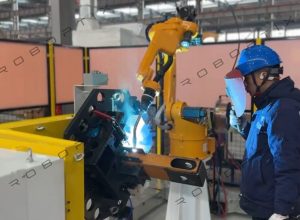
नो-प्रोग्रामिंग रोबोटिक वेल्डिंग सेल का आरओआई: संरचनात्मक इस्पात अनुप्रयोगों के लिए एक व्यावहारिक मार्गदर्शिका
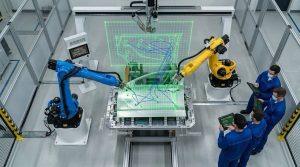
रोबोटिक लेजर वेल्डिंग के लिए विज़न सिस्टम क्यों आवश्यक हैं?
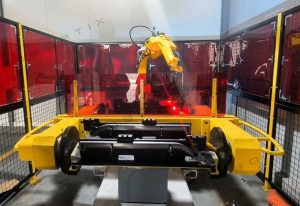
रोबोटिक वेल्डिंग दोष कैसे बनते हैं - और एक रोबोट पोजिशनर कितना ठीक कर सकता है?
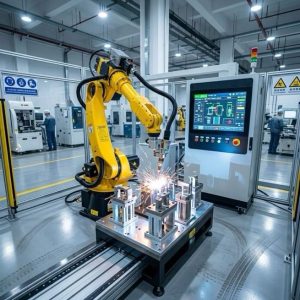
अपनी फ़ैक्टरी के लिए सही रोबोटिक लेज़र वेल्डिंग सिस्टम कैसे चुनें
6 रोबोटिक लेजर वेल्डिंग में सामान्य चुनौतियाँ और उन्हें कैसे हल करें